Modern supply chains don’t break because of slow trucks or delayed shipments anymore.
They break because of digital weaknesses.
Today’s supply chain operations run on dashboards, portals, APIs, vendor logins, and shared data environments.
One small security gap can quietly turn into delayed orders, data leaks, partner distrust, or complete operational downtime.
The problem is that many businesses still treat security as an IT-side concern, not an operations priority. That mindset is outdated.
Security is no longer just about protecting systems it’s about protecting continuity, visibility, and trust across the entire operation 🔐
This article explains how AppSumo security tools, especially lightweight platforms like Cyberangels, can support modern supply chain operations by reducing risk, cutting subscription overload, and strengthening operational resilience without claiming enterprise-level integrations or overpromising.
Let’s start with the most important question first.
1️⃣. Why Security Is a Critical Part of Modern Supply Chain Operations
Supply chain operations today are deeply digital. Every stage from procurement to fulfillment depends on systems talking to each other in real time. That dependency makes security operational, not optional.
When a supply chain platform is exposed to vulnerabilities, the impact is rarely limited to technical teams. The effects spill directly into operations.
A security issue can lead to:
- Temporary system shutdowns
- Loss of shipment visibility
- Vendor or partner access being revoked
- Compliance concerns slowing down decisions
- Erosion of customer and partner trust
None of these are “IT problems.”
They are operations problems ⚙️

What makes this more serious is the number of external touchpoints modern supply chains have. Vendors log in. Partners access portals. APIs exchange data with third-party tools. Each access point expands the attack surface.
Security, in this context, becomes a productivity enabler.
A secure system allows teams to move faster because:
- Access is controlled and predictable
- Data integrity is maintained
- Downtime risks are reduced
- Compliance reviews don’t interrupt workflows
On the other hand, weak security introduces hesitation. Teams slow down. Approvals get delayed. Systems get locked. Manual workarounds appear — and productivity drops 📉
This is why security must be viewed as part of operational design, not an afterthought layered on top. Supply chain leaders who understand this treat security tools as supporting infrastructure, just like monitoring, reporting, or workflow tools.
And this is where lightweight, cost-efficient security solutions start to make sense especially for teams that want protection without locking themselves into heavy, expensive subscription stacks.
2️⃣. The Hidden Security Risks Supply Chain Platforms Face Today 🔍
Most security risks in supply chain operations don’t announce themselves. They grow quietly in the background while systems continue to function until something breaks.
Modern supply chain platforms rely on multiple digital layers working together. Each layer introduces a new point of exposure.
One of the biggest risks comes from shared access. Vendors, logistics partners, and internal teams often access the same system from different locations and networks. If access controls aren’t continuously monitored, a single compromised login can expose sensitive operational data.
Another common issue is API exposure. Supply chain systems exchange data with ERPs, accounting tools, tracking platforms, and analytics services. These connections are powerful, but they also expand the attack surface. A misconfigured API can allow unauthorized access without triggering immediate alerts.
Web dashboards and admin panels also carry risk. Many platforms focus on functionality and performance but overlook:
- Outdated security settings
- Weak authentication policies
- Unmonitored endpoints
- Delayed vulnerability patching
These gaps don’t slow systems right away they create latent risk ⚠️

Compliance pressure adds another layer of complexity. Supply chains often operate across regions with different data protection expectations. Even if a system works smoothly, unclear compliance posture can create hesitation during audits, partnerships, or expansions.
What makes these risks dangerous is that they directly affect operational continuity. A security incident can pause shipments, restrict platform access, or force emergency reviews that pull teams away from execution.
In supply chain environments, risk is not theoretical. It’s operational.
And the longer it remains invisible, the more costly it becomes.
This is exactly why relying only on basic security settings or reactive monitoring is no longer enough. Teams need visibility into their digital risk without adding complexity or heavy subscription overhead.
3️⃣. Why Traditional Security Subscriptions Don’t Work for Many SCM Teams 💸
For many supply chain teams, security subscriptions look good only on paper.
In reality, traditional security tools are built for large IT or security departments, not for operations-driven environments where speed, visibility, and cost control matter the most.
One of the biggest issues is subscription sprawl. Vulnerability scanning, compliance monitoring, threat detection, reporting each function often comes with a separate monthly or yearly plan. Over time, teams end up managing multiple tools just to cover basic security needs. The cost keeps rising, even if usage doesn’t.
This is where frustration begins.
Supply chain teams don’t want to become security experts. They want clear answers:
- Is the system exposed or not?
- Are there risks that could disrupt operations?
- Are we broadly compliant?
Traditional tools often bury these answers under complex dashboards and technical alerts 🧩
Another major problem is long-term lock-in. Annual contracts and auto-renewals force teams to commit before they fully understand real-world value. If the tool turns out to be too complex or underused, exiting becomes expensive and painful.
This is exactly the gap where marketplaces like AppSumo become relevant.
Instead of locking teams into long subscriptions, AppSumo offers lifetime access tools that focus on specific, practical problems. For security use cases, tools like Cyberangels One aim to consolidate scanning, risk visibility, and compliance insights into a single, easier-to-manage platform without recurring fees.
For SCM teams, this model aligns better with reality:
- Security is important, but it’s a support function
- Budgets must stay predictable
- Tools should be usable by ops teams, not just IT
That’s why many supply chain teams start looking beyond traditional subscriptions and explore lighter, lifetime-based security tools that support operations instead of slowing them down. ⚙️
Many businesses underestimate how recurring SaaS subscriptions quietly increase operational costs over time, especially when multiple tools are stacked for overlapping needs this phenomenon is explored in detail regarding its hidden impact on business budgets and productivity in this article: The Hidden Costs of SaaS and How to Avoid Them.
4️⃣. What AppSumo Security Tools Actually Offer (And What They Don’t) 🧩
Before using any AppSumo security tool, it’s important to clearly understand what AppSumo is and what it is not.
AppSumo is not a software company.
It’s a marketplace that curates tools offering lifetime deals, mainly for startups, SMBs, and growing teams that want to avoid endless subscriptions.
This distinction matters.
✅ What AppSumo Security Tools Actually Offer
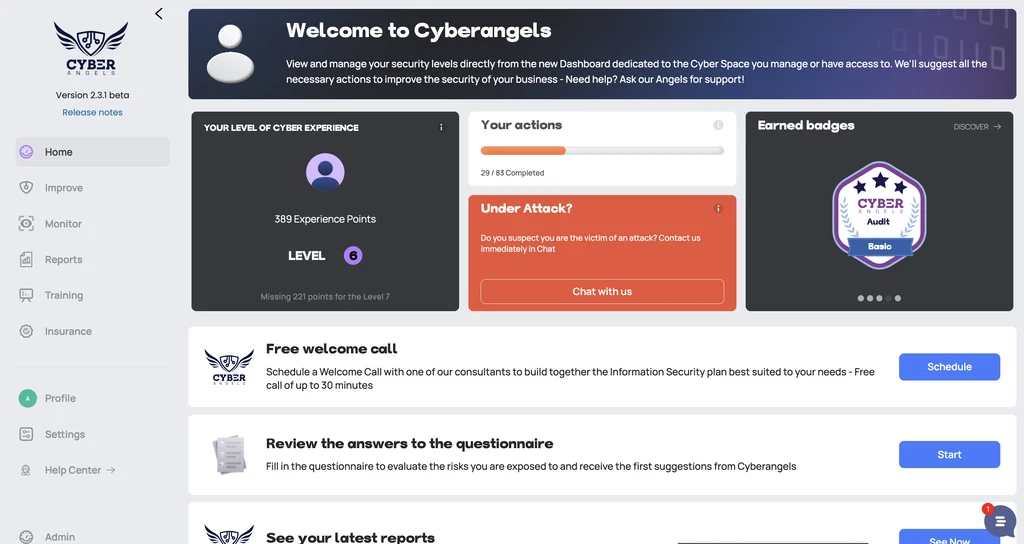
Security tools on AppSumo, like Cyberangels One, are designed to solve specific, practical security problems without enterprise-level complexity.
Typically, they focus on:
- Identifying vulnerabilities in web apps and platforms
- Providing risk visibility through simple dashboards
- Highlighting compliance gaps in an understandable way
- Offering actionable recommendations, not just alerts
These tools are built for operators, founders, and ops teams not only for full-time security engineers 🔐
Cyberangels One, for example, brings together:
- Continuous security assessments
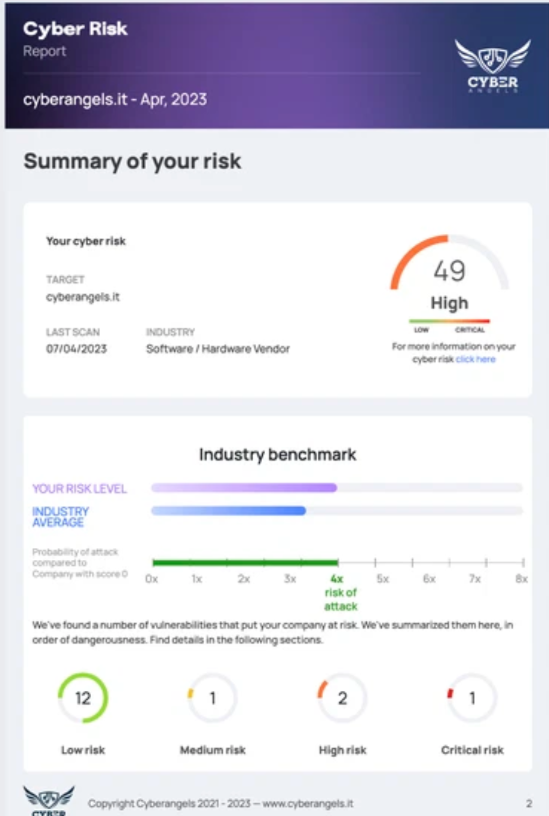
- Digital risk scoring
- Compliance posture insights
- Clear, non-technical reporting
Instead of juggling multiple security subscriptions, teams get one consolidated view of their digital exposure.
Another key benefit is cost predictability.
With lifetime deals, teams pay once and avoid recurring renewals making budgeting easier for operations-focused businesses.
❌ What AppSumo Security Tools Do Not Claim to Be
This is equally important.
AppSumo security tools are not:
- Full enterprise SOC (Security Operations Center) replacements
- Managed security services with 24/7 human response teams
- Deep, highly customized compliance audit platforms
They are meant to support, not replace, core security infrastructure.
For supply chain operations, this is actually a good thing.
Most SCM teams don’t need extreme complexity. They need:
- Visibility
- Early warnings
- Reduced risk of disruption
- Simple reporting for internal reviews
That’s exactly the gap AppSumo security tools aim to fill ⚙️
🧠 Why This Matters for Supply Chain Operations
Supply chain platforms depend on uptime, partner trust, and data integrity.
Security tools don’t have to be massive to be effective they just need to be usable, reliable, and affordable.
By understanding the real scope of AppSumo security tools, teams can make smarter decisions:
- Use them as a support layer, not a silver bullet
- Combine them with existing systems
- Reduce subscription overload without sacrificing awareness
This clarity is what allows tools like Cyberangels One to fit naturally into modern supply chain environments.
5️⃣ How Cyberangels One Fits Into Supply Chain Security Workflows 🔐
Cyberangels One fits into supply chain operations as a supporting security and compliance layer, not as a replacement for core SCM systems.
Most modern supply chain platforms operate through web-based dashboards, admin panels, APIs, and shared access with vendors or partners. These digital surfaces need continuous visibility, not just one-time audits. This is where Cyberangels One becomes practical.
Because Cyberangels One is available as a lifetime deal on AppSumo, it allows teams to monitor digital risk without adding recurring security subscriptions.
Instead of stacking separate tools for scanning, compliance checks, and reporting, Cyberangels brings these into a single, simplified workflow.
🔍 Where It Fits Operationally
Cyberangels One can be used to:
- Scan public-facing supply chain portals and dashboards for vulnerabilities
- Monitor digital exposure across domains and services
- Highlight security gaps that could affect uptime or access
- Provide compliance insights using frameworks like GDPR, ISO, and NIST
This is especially useful for supply chain teams where operations managers, not security engineers, are responsible for system continuity.
The platform presents risks in a non-technical format, making it easier for ops teams to understand what needs attention without digging through complex security logs.
⚙️ Supporting, Not Disrupting, SCM Workflows
One of the biggest advantages of Cyberangels One is that it doesn’t interfere with daily operations. There’s no need to redesign workflows or retrain teams extensively.
Instead, it works quietly in the background by:
- Running continuous assessments
- Updating risk scores as environments change
- Offering actionable remediation suggestions
This makes it suitable for supply chain environments where downtime, alerts overload, or tool complexity can slow teams down.
📊 Compliance Without Heavy Overhead
Supply chain operations often deal with:
- Vendor data
- Partner integrations
- Cross-border regulations
Cyberangels One helps teams stay aware of compliance posture without turning compliance into a full-time job. The tool doesn’t replace audits, but it prepares teams better by highlighting gaps early.
For many supply chain teams, this level of insight is enough to:
- Reduce surprise risks
- Support internal reviews
- Improve trust with partners
💡 Why This Model Works Well
Cyberangels One works well in supply chain workflows because it aligns with three key needs:
- Visibility over complexity
- Predictable cost over subscriptions
- Operational awareness over deep technical detail
This makes it a strong example of how AppSumo security tools can support modern supply chain operations without claiming deep integrations or enterprise-level replacements.
Modern security challenges extend beyond traditional IT departments and deeply influence overall operational effectiveness as explained in this guide on why cybersecurity isn’t just an IT problem: Why Cybersecurity Isn’t Just an IT Problem.

6️⃣ Using Security Tools Alongside SCM Platforms (ShipChain Example) 🔗
To understand how AppSumo security tools fit into real operations, it helps to look at a practical SCM scenario.
Platforms like ShipChain handle core supply chain workflows order visibility, partner coordination, operational data flow, and system access across teams.
These platforms are designed to keep operations moving smoothly, not to act as standalone security suites.
That’s where a supporting security layer comes in.
🧩 How the Setup Works in Practice
In an SCM environment similar to ShipChain’s:
- Teams rely on web dashboards and portals
- Vendors or partners may have limited system access
- APIs connect the platform to other operational tools
- Uptime and data integrity directly affect daily operations
Using a tool like Cyberangels One alongside such a platform allows teams to monitor digital risk without touching core workflows.
Cyberangels does not replace the SCM system.
It simply runs in parallel, helping teams stay aware of:
- External vulnerabilities
- Exposure points on public-facing assets
- Compliance posture across digital surfaces
This separation is important because it keeps responsibilities clear:
- ShipChain continues managing supply chain operations
- Cyberangels One supports security awareness and risk visibility

⚙️ Why “Alongside” Matters
Supply chain platforms are mission-critical. Any tool that interferes with them can slow operations or introduce friction.
Cyberangels One works well in this context because:
- It does not require deep system integration
- It doesn’t interrupt daily workflows
- It provides insights without operational lock-in
For ops teams, this means security becomes observable, not disruptive.
Instead of reacting to incidents, teams can:
- Review risk dashboards periodically
- Address issues proactively
- Share simple reports with stakeholders
🏗️ Operational Trust Without Overengineering

In supply chain environments, trust matters not just internally, but with partners and vendors. Having visibility into digital risk helps teams:
- Maintain platform reliability
- Avoid unexpected disruptions
- Support governance discussions
Using a lightweight security tool alongside an SCM platform like ShipChain allows teams to strengthen operational confidence without adding heavy enterprise systems or recurring subscription costs.
This approach reflects a broader shift in modern supply chains:
strong core platforms + focused supporting tools ⚖️
7️⃣ Limitations and Risks of Using Lifetime Security Tools ⚠️
Lifetime security tools offer clear cost advantages, but they are not risk-free. Ignoring their limitations can lead to unrealistic expectations and disappointment later.
The first risk is vendor longevity. Many AppSumo tools are built by smaller teams or startups. While this often means faster innovation, it also means long-term survival isn’t guaranteed. If a vendor stops updating the product, the tool may lose relevance over time.
Another limitation is feature depth. Lifetime tools typically focus on breadth over extreme depth. They aim to cover common use cases well, rather than advanced enterprise scenarios. For supply chain environments with highly regulated or complex security requirements, this may not be enough on its own.
Support expectations also matter. Lifetime deals usually include:
- Standard or email-based support
- Limited response time guarantees
- Smaller support teams
This is acceptable for many operations teams, but it’s different from premium enterprise support models.
There’s also the challenge of scope creep. Some buyers expect lifetime tools to evolve endlessly and match large security suites feature-for-feature. That’s not a realistic assumption. These tools are best used as support layers, not full replacements for every security function.
🔍 How to Reduce Risk Before Buying
You can minimize these risks by being intentional:
- Evaluate the tool’s update history
- Check how clearly features are documented
- Understand exactly what assets can be monitored
- Treat the tool as a complement, not a dependency
When used with the right expectations, lifetime security tools can add real value. When treated as enterprise substitutes, they can fall short.
8️⃣ Are AppSumo Security Tools Practical for Supply Chains? ✅
Yes they are practical, but only when used for the right purpose.
AppSumo security tools like Cyberangels One are not designed to replace enterprise security platforms or fully managed SOC services. What they do exceptionally well is provide visibility, awareness, and cost control for modern, digital supply chain operations.
For supply chain teams, security is no longer just an IT responsibility. It directly affects:
- System uptime
- Partner trust
- Data reliability
- Operational continuity
In this context, lightweight security tools become productivity enablers, not overhead.
The biggest advantage of AppSumo security tools is ownership over subscriptions. Instead of paying indefinitely for multiple security services, teams can consolidate core visibility and compliance monitoring into a single, lifetime-access platform.
When combined with strong SCM platforms like ShipChain, this approach works best:
- ShipChain manages core supply chain workflows
- Cyberangels One supports security and compliance awareness
- Operations teams stay informed without operational disruption
This hybrid model keeps systems secure without slowing execution or inflating costs.
The key is expectation management.
If you need deep forensic analysis, real-time threat response, or regulatory certifications, enterprise solutions are still necessary. But if your goal is proactive risk awareness, compliance readiness, and subscription reduction, AppSumo security tools make a lot of sense.
“Related Articles”
- Best Accounting Software on AppSumo (Lifetime Deals)
- 5+ Best AppSumo Productivity Tools to Replace Subscriptions
9️⃣ FAQs
1. Are AppSumo security tools suitable for supply chain platforms?
Yes, they work well as supporting tools for monitoring risk and compliance alongside core SCM systems.
2. Does Cyberangels One replace enterprise security solutions?
No, it complements existing security setups by providing visibility and basic compliance insights.
3. Can lifetime security tools reduce software costs?
Yes, they eliminate recurring subscriptions for monitoring and assessment tools.
4. Is Cyberangels One difficult to use for operations teams?
No, it’s designed for non-technical users with simple dashboards and reports.
5. Can tools like Cyberangels be used with ShipChain?
Yes, they can be used alongside ShipChain to support security awareness without direct integration.

Chris Fryer is a seasoned leader in the logistics and supply chain industry, known for his pioneering work in integrating blockchain and AI into global supply chain solutions. With more than 15 years of experience, Chris has played a key role in transforming freight tracking, delivery processes, and overall supply chain efficiency.
His expertise lies in leveraging cutting-edge technologies to drive innovation and sustainability within the logistics sector. Through his vision, he has helped shape a future where smarter, more transparent systems enhance supply chain management across industries worldwide. Chris remains dedicated to advancing the future of logistics through continuous technological advancements.